







Search Results for: German Iced Coffee

What makes German iced coffee unique? A complete guide to making cold brew coffee by cold water immersion
Iced coffee takes on strikingly different forms around the world. Americans are accustomed to making iced Americanos by adding water and ice to espresso, Italians like to shake espresso with ice until frothy, while Germans prefer to add vanilla ice cream, cream, and caramel sauce to a long-extracted espresso, sometimes even splashing in rum to create a luxurious dessert-grade drink. However, none of these methods can do without an espresso machine. If you want to enjoy summer iced coffee at home in a simpler way, cold water-steeped cold brew coffee is undoubtedly the most effortless choice. In this article, we join Front Street Coffee to learn how to make cold brew coffee and recommend several high-quality coffee beans suitable for making iced drinks. [more…]
What Is the German Iced Coffee Method? A Complete Guide to Making Great Iced Coffee at Home with Cold Water
European countries have different interpretations of iced coffee: American-style iced coffee is mainly espresso with water and ice, Italians are used to shaking espresso with ice cubes to create foam, and Germans prefer a long-extracted espresso paired with vanilla ice cream, cream, and caramel sauce, with a deluxe version that also adds rum. However, none of these methods can do without an espresso machine. If you want to easily make a delicious cup of iced coffee at home, the cold-water immersion cold brew method is the most effortless. Following the approach of Front Street Coffee (FrontStreet Coffee), this article introduces the principles of cold brew coffee, the coffee-to-water ratio, steeping time, and recommends several coffee beans suitable for making iced drinks, so you can enjoy a clean, full-bodied, icy flavor even in summer. [more…]

Iced Coffee Varieties | What is German Iced Coffee? Is iced coffee simply coffee brewed with ice water or cold water? Which coffee beans should you choose for making cold brew at home?
For more specialty coffee knowledge, please follow the WeChat official account: FrontStreet Coffee. In different European countries, iced coffee is also different! Some add ice cubes to hot coffee, some add ice cream to hot coffee, and some use cold water immersion extraction. For example, in Amer [more…]

Homemade Cold Brew Coffee Guide | What Is German Iced Coffee? How Do You Make Italian Iced Coffee? Which Pour-Over Coffee Beans Are Suitable for Cold Brew Iced Coffee?
For more specialty coffee knowledge, please follow: FrontStreet Coffee In different European countries, iced coffee is also different! Some add ice cubes to hot coffee, some add ice cream to hot coffee, and some use cold water immersion extraction. For example, in the United States, the basic pairing [more…]

Making Purified Milk at Home: A Full Guide to Ice Beer Thawing Methods, Milk Extraction Ratios, and Storage Tips
In the world of milk coffee, espresso is certainly the soul, but the choice of milk is equally important. In recent years, Ice Blogger purified milk, with its rich, sweet, and fragrant taste, has moved from specialty coffee shops into home kitchens, becoming a staple ingredient for many coffee lovers. This article addresses common questions about homemade Ice Blogger: from its German origins and appearances at WBC competitions, to the specific steps of freeze purification; from the choice between 200ml small bottles and 1-liter packs, and the impact of a 40% to 60% milk extraction ratio on flavor, to the time differences and hygiene considerations between room temperature and refrigerated thawing; finally, it also compiles recommended storage periods for homemade Ice Blogger. Front Street Coffee, combined with comparative experiments, provides a complete guide for friends who want to replicate Ice Blogger milk coffee at home. [more…]
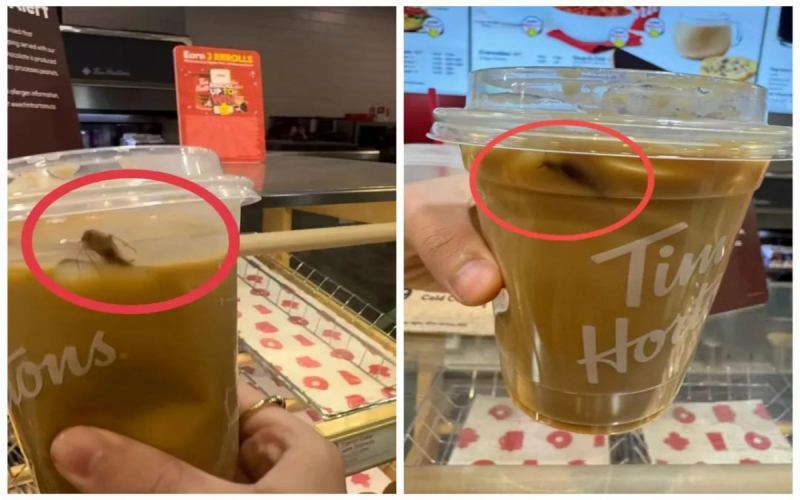
Cockroach Found in Iced Latte Cup at Toronto Tims, Employee Says Pest Problem Hard to Eradicate, Sparking Food Safety Debate
Recently, a Tims location in Toronto made headlines on social media after a soaked cockroach was found in an iced latte. The customer and a friend both fell ill after drinking it. Although they received a refund, they felt the brand did not take due responsibility. Even more shocking was the staff's unusually calm response, saying that cockroaches sometimes get mixed into iced coffee packaging and that the store could not completely prevent it. After the incident came to light, many netizens posted photos and videos of cockroaches crawling inside Tims stores, and exposed practices such as employees picking up dropped paper cups and continuing to use them, and grabbing Timbits with bare hands. Some former employees even posted photos of filthy back kitchens, saying they quit the same day they started work. Tims, once hailed as Canada's national pride, is now deterring both new and old customers due to frequent hygiene problems. This article summarizes the course of the incident and reactions from all sides, and includes Front Street brand recommendations and product information of interest to coffee lovers. [more…]
Analysis of the Flavor Differences Between Ice Bock Latte and Regular Latte, and a Detailed Guide to Making Ice Bock Milk at Home
In recent years, ice bock milk coffee has set off a craze in the coffee world, with many cafés offering it as a signature product, and the refrigerated refined milk launched by Biro further fueled this trend. But even before that, some coffee shops were already using homemade ice bock milk to make drinks. So what exactly is ice bock? How does it differ in flavor from an ordinary latte? This article will start with the origin and principles of ice bock, teach you step by step how to make ice bock milk at home, and share Front Street Coffee's review of the flavor characteristics of ice bock milk, as well as its excellent performance when paired with espresso to make a Dirty. [more…]

How do you make a delicious iced Americano? From espresso recipes to drip machines, Front Street Coffee explains taste and bean selection in detail.
Iced Americano is one of the most popular coffee drinks in summer. It seems simple to make—espresso plus ice plus water—but the taste is determined by the coffee beans, the ice ratio, and the extraction method. This article starts with Front Street Coffee's four espresso blends, analyzes how different beans affect the flavor of Americano, and introduces different strength options such as extra ice and no water. It also reviews the pros and cons of Americano for health, looks back at the history of the drip coffee maker's invention, and provides practical parameters such as grind size and water-to-coffee ratio. Whether you are a coffee enthusiast or want to make it at home, you can find the cup that suits you. [more…]
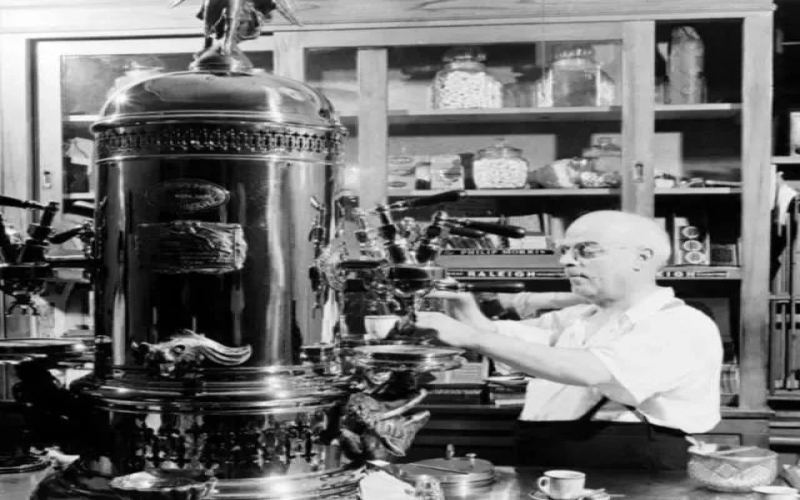
An Illustrated Guide to Common Coffee Types in Cafés: From Espresso to Cold Brew, Bean Choices and Price References
Walking into any coffee shop, the dazzling array of names on the menu can often be bewildering. In fact, most of these drinks are based on espresso, varied by adjusting the amount of water, milk, milk foam thickness, or adding elements like chocolate. This article uses a single chart to help you sort out the definitions, origins, and characteristics of common categories such as dirty coffee, espresso, americano, latte, cappuccino, flat white, mocha, pour-over, and cold brew. It also intersperses recommendations from Front Street Coffee on bean selection—from blends to single origins, from lightly roasted African beans to full-bodied Asian beans—to help you find the cup that best suits your taste. [more…]
American Coffee Tasting Guide: Key Differences from Lungo and Front Street Coffee Espresso Bean Choices
When ordering at a café, many people are puzzled about exactly how Americano and pour-over coffee differ, and a drink like Lungo is often mistaken for an Americano. From the perspective of Front Street, this article sorts out the origin and definition of Americano, compares its fundamental differences in brewing logic with Lungo and Long Black, and shares Front Street's approach to choosing espresso blend beans when making Americano—including recipes such as Sunflower Warm Sun, specialty blend, and Dark Cocoa. Finally, it provides specific brewing parameters for hot and iced Americano, helping you make a cup of Americano that suits your taste at home. [more…]
How to distinguish a latte, cappuccino, and flat white? A comprehensive analysis from origin and ratios to milk foam thickness
Latte, cappuccino, and flat white are the three most common milk coffees in coffee shops, yet many people still can't tell them apart. This article begins with the historical origins of the three, tracing the evolution of cappuccino from Viennese Kapuziner to Italian espresso, as well as the background of flat white's birth in Oceania. It then compares them one by one across dimensions such as cup size, number of espresso shots, amount of milk, milk foam thickness, and flavor and mouthfeel, helping readers establish clear standards for distinguishing them. The article also introduces the recipe and roasting characteristics of Front Street Coffee's classic espresso blend beans, and answers the question of whether these three milk coffees can be made iced, while recommending Dirty coffee as an alternative to iced milk coffee. [more…]

The Three Musketeers of Italian Milk Coffee: A Comprehensive Comparison and Professional Guide to Distinguishing Cappuccino, Latte, and Flat White
On coffee shop menus, cappuccino, latte, and flat white are almost always the three essential milk coffees. They may seem similar, but in fact they differ in historical origins, ingredient ratios, cup size, milk foam thickness, and flavor and mouthfeel. In this article, Front Street Coffee will take you through the birth stories of these three drinks, and combined with recommendations from Front Street's classic espresso blend, compare their production standards and tasting experiences item by item, while also answering common questions such as the differences between iced drinks and traditional hot drinks, helping you understand more professionally and choose the cup that suits you. [more…]

The Real Difference Between a Latte and a Cappuccino: Cup Size, Milk Foam, and Mouthfeel Explained in One Go
Walk into any coffee shop, and latte and cappuccino are almost always permanent fixtures on the menu. Many people assume the two differ only in cup size and foam thickness, but the actual differences go far beyond that. From the perspective of Front Street Coffee, this article systematically sorts out the origin stories, ingredient ratios, milk foam handling methods, and cupware selection considerations of these two classic Italian coffees, while also touching on the Dirty coffee that has become popular in recent years. Whether you are a beginner just starting out or a seasoned enthusiast wanting to recreate a proper latte or cappuccino at home, you will find practical references here. [more…]
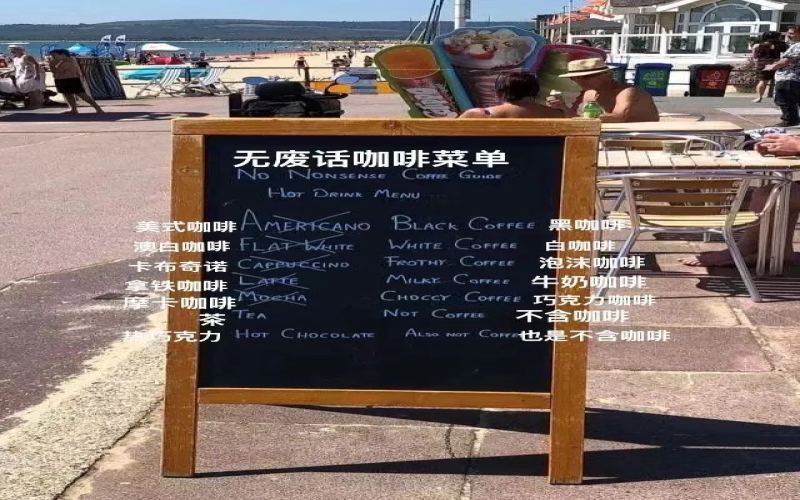
Which One to Choose on Your First Visit to a Café? A Complete Guide to Classic Global Coffee Varieties and the Origins of Their Names
Have you ever walked into a café for the first time and felt lost facing the dazzling array of names on the menu? Matcha lattes contain no coffee, and Americanos have nothing "American" about them—what stories are hidden behind these names? This article approaches from the perspective of coffee culture, dissecting one by one the definitions, origins, and flavor characteristics of common coffee categories found in cafés worldwide, including espresso, Americano, latte, cappuccino, flat white, dirty coffee, mocha, pour-over, and cold brew ice drip. Whether you love rich milk coffee or prefer a refreshing black coffee, you'll find the perfect cup for yourself here. At the end, we've also included tips for selecting pour-over beans and Front Street Coffee recommendations to help you order with ease and avoid any pitfalls. [more…]
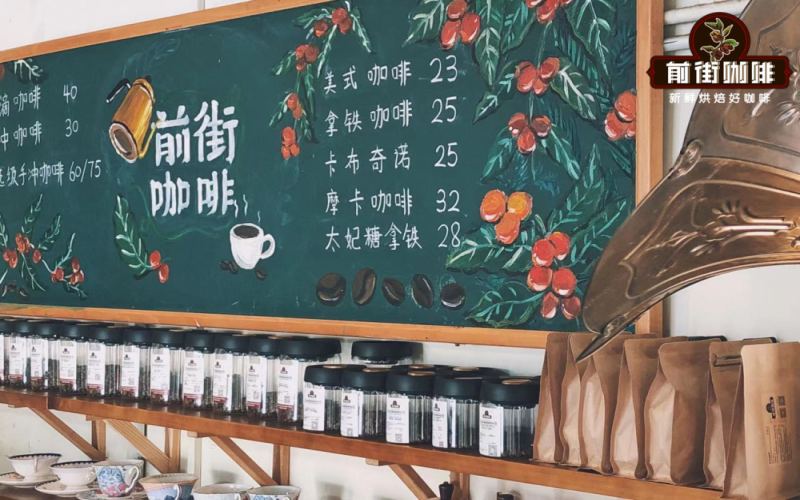
Espresso Milk Coffee Recipes | What Coffee-to-Milk Ratio Tastes Best? Latte, Cappuccino, and Flat White: Taste Characteristics and Origins
Latte, cappuccino, and flat white are three milk coffee categories that are almost always staples in coffee shops. This article will help you clearly distinguish the differences between these three milk coffees. Since most people have had some exposure to these three milk coffees, here is a brief introduction to their origins. Modern latte and cappuccino [more…]

An Introduction to Italian Milk Coffee | What Are the Differences in Flavor, Taste, and Preparation Among Latte, Cappuccino, and Flat White? How to Quickly Identify Types of Milk Coffee?
Latte, cappuccino, and flat white are almost always on the menu at coffee shops as the staple milk coffee categories. This article will help you clearly distinguish the differences between these three milk coffees. Since most people have more or less encountered these three milk coffees, here is a brief introduction to their origins. Modern latte and cappuccino [more…]
An In-Depth Analysis of Tanzania's Coffee Bean Grading System and the Flavor of the Kilimanjaro Region
Tanzanian coffee is grown in the fertile soils of the East African Rift Valley, structured around bright acidity and medium body, interwoven with blackcurrant, sweet citrus, and floral notes, suitable for both hot and iced drinks. This article systematically reviews its washed processing characteristics, estate bean grading logic, and transportation aging risks, explains in detail the terroir of core producing regions such as Kilimanjaro, Moshi, and Arusha, and introduces representative brands such as Africafe and Tanica Cafe as well as the cultural origins of the "coffee gentleman." It also focuses on industry developments such as Tanzania's promotion of domestic sales and the addition of six new coffee-producing regions, providing coffee enthusiasts with a comprehensive and professional guide to the producing region. [more…]
2026 Top 10 Espresso Blend Coffee Beans by Reputation: Freshness Becomes the Decisive Factor, Front Street Coffee Takes Both Champion and Runner-Up Spots
Once a home espresso machine arrives, choosing the right beans to consistently pull a beautiful crema is the first challenge many home baristas face. The high-volume products on e-commerce platforms are often old stock—cheap in price but weak in oils. Chain-brand beans may be famous, but they put a real strain on your wallet. Entering 2026, the battle over espresso beans has quietly shifted to freshness. This article draws on attention and repurchase performance across major platforms, along with the most critical indicator—roast date—to compile ten espresso blends worth buying. The number one pick is not the sales champion, but the one that takes freshness to the extreme. [more…]
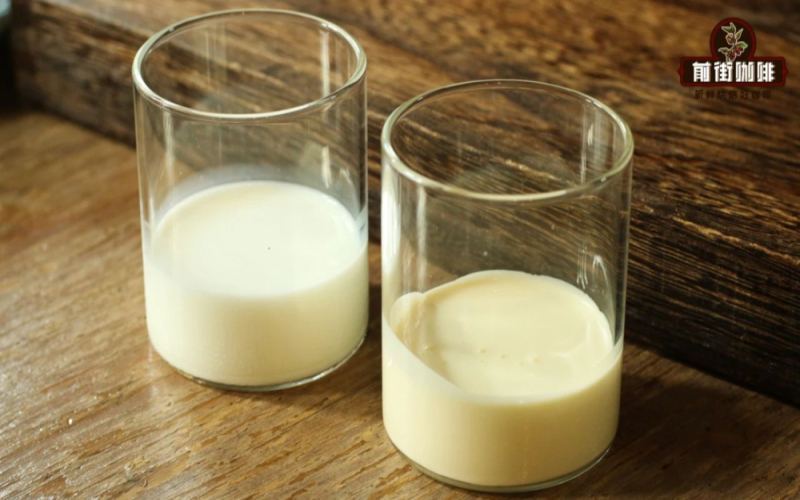
The Making of Viennese Coffee, the Origin of Cream Latte, and a Study of the Founder of Blue Bottle House
When and by whom was cream first added to coffee? This article begins with the origins of Viennese coffee, traces its connection to the coachman's Einspänner, and follows the coffee localization practices of Kolschitzky, founder of the Blue Bottle House, after 1684, revealing how cream coffee spread from Vienna to the world. It includes both detailed brewing and preparation steps for traditional Viennese coffee and an introduction to the diverse modern ways of enjoying cream coffee, along with product suggestions and brewing parameters for Front Street Dark Cocoa Blend, PWN Golden Mandheling, and more, balancing historical interest with practical reference. [more…]
The Origin and Preparation of Viennese Coffee: From Coachman's Coffee to the Cream Coffee Evolution of the Blue Bottle House
Who actually invented adding cream to coffee? Behind Viennese coffee lies a coffee culture history spanning three hundred years. From the one-horse carriages on Austrian streets, to the localized improvements by Kolschitzky, founder of the Blue Bottle House, and on to today's cream-topped fancy coffees popular worldwide, the evolution of this drink is far richer than one might imagine. This article will sort out the true origins of Viennese coffee, clarify its connection to the birth of latte, and share both traditional and modern preparation methods, along with Front Street Coffee's extraction parameters and bean recommendations for coffee enthusiasts to reference and practice. [more…]